What Is Antelope Canyon? A Visitor Guide to the Canyon System
Antelope Canyon is one of the most famous slot canyon destinations in the American Southwest, located near Page, Arizona on Navajo land. This guide explains how the canyon system works, how Upper, Lower, and Canyon X differ, and what travelers should understand before choosing a tour.
What Is Antelope Canyon?
Start here if you want to understand the place itself before deciding which canyon section to visit.
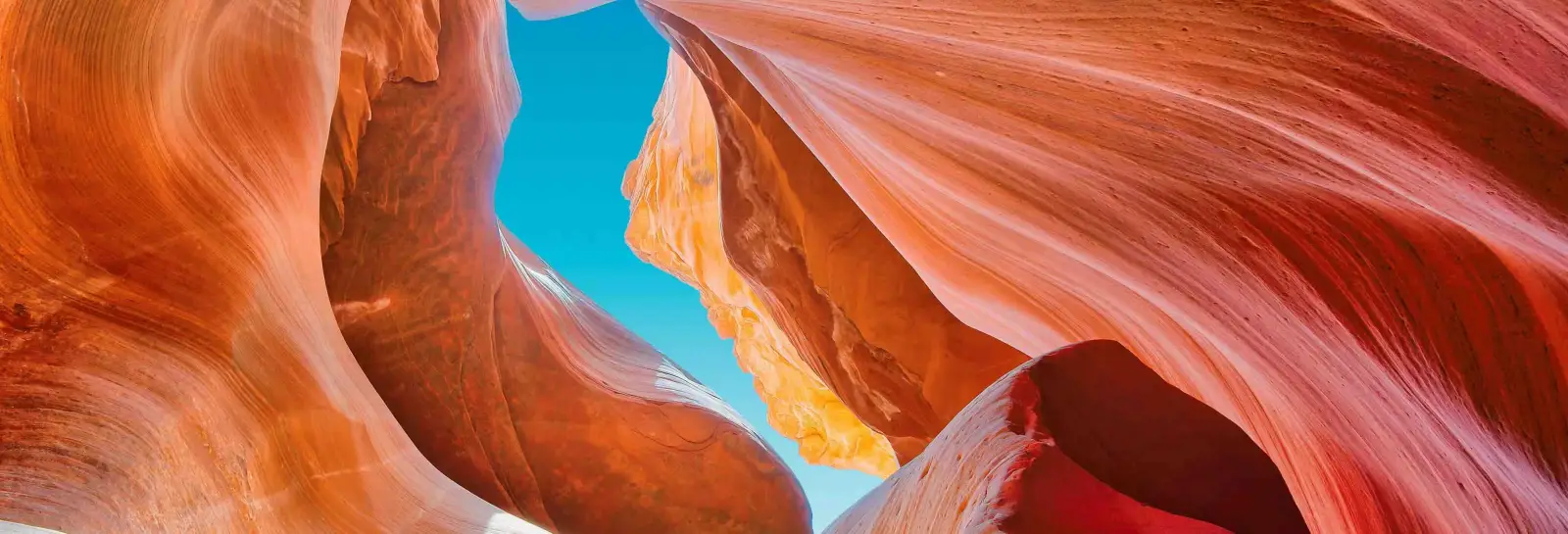
Antelope Canyon is one of the most distinctive slot canyon systems in the American Southwest. Carved over thousands of years by flash floods and erosion, its narrow sandstone corridors create flowing forms, layered textures, and dramatic light behavior that change throughout the day.
Located on Navajo Nation land near Page, Arizona, Antelope Canyon is not a single canyon, but a collection of separate sections—each with its own character, elevation, and visitor experience. Access is strictly managed to protect the canyon and ensure visitor safety, with guided entry required for all sections.
What sets Antelope Canyon apart is the interaction between shape and light. Sunlight enters through narrow openings above, reflecting off curved walls and producing warm color gradients that range from soft amber to deep red. These conditions make the canyon visually dynamic, even within short walking distances.
Today, Antelope Canyon is recognized worldwide not only for its beauty, but also as a culturally significant site preserved and operated under Navajo stewardship. Responsible visitation helps maintain both the natural formations and the traditions connected to this landscape.
- Located near Page, Arizona on Navajo Nation land
- Formed by water erosion and flash flooding
- Multiple distinct canyon sections
- Guided access required for preservation and safety
The Three Main Antelope Canyons
Antelope Canyon is not a single location, but a system of distinct slot canyons, each shaped by different elevation and terrain conditions.
Upper Antelope Canyon
Located at ground level, Upper Antelope Canyon is the most accessible section. Sunlight enters from above, creating vertical light beams and glowing sandstone walls during certain times of the year.
Lower Antelope Canyon
Lower Antelope Canyon lies below ground and is accessed by stairs and ladders. Its narrow passages, curved walls, and changing elevation create a dynamic, movement-driven canyon experience.
Antelope Canyon X
Antelope Canyon X is composed of multiple slot segments separated by open desert. With fewer visitors and wider spacing, it highlights sculpted rock textures and layered formations rather than concentrated light beams.
How Antelope Canyon Was Formed
Antelope Canyon is the result of water, sandstone, and time working together beneath the desert surface.
Flash Flood Carving
Over thousands of years, seasonal flash floods rushed through narrow sandstone cracks, carving and smoothing the canyon walls from the inside out. Even today, these floods continue to reshape the canyon.
Sandstone & Erosion
The canyon walls are formed from Navajo sandstone, a soft sedimentary rock that erodes easily when exposed to water. This allows flowing water to create flowing curves, waves, and layered textures.
Light Shaping the Experience
The narrow openings above the canyon control how sunlight enters, creating dramatic contrasts, reflected light, and—at certain angles— the famous light beams that define Antelope Canyon’s visual identity.
Understanding Upper, Lower & Canyon X by Terrain
Each Antelope Canyon section offers a distinct terrain experience, shaping how you move, see light, and photograph the canyon.
Above-Ground Slot Canyon
Upper Antelope Canyon is carved at ground level, allowing visitors to enter directly without stairs or ladders. The wide floor and smooth passages create an easy, flowing walk.
- Flat, accessible walking path
- Wider canyon floor
- Controlled overhead light openings
Below-Ground Slot Canyon
Lower Antelope Canyon begins with a descent below the surface, leading into a deeper, narrower slot canyon. Movement is vertical as well as horizontal.
- Stairs and ladders throughout the route
- Narrower passages and tighter turns
- Constantly changing perspectives
Open & Expansive Terrain
Antelope Canyon X features wider corridors and multiple canyon sections, offering a more open feel and fewer bottlenecks compared to Upper and Lower.
- More open canyon spaces
- Less vertical compression
- Slower, flexible movement flow
Why Antelope Canyon Visits Require Tours
This page explains how access works. If you are ready to compare actual bookable options, use the tour pages linked below.
- 1 Protected Navajo land
- 2 Authorized guided access
- 3 Scheduled entry windows
- 4 Managed group flow
Antelope Canyon is located on Navajo land and operates under tribal protection. Independent entry is not permitted.
All visitors enter the canyon with officially authorized Navajo guides, following established routes designed for safety and preservation.
Tours run in scheduled time windows, which helps manage canyon capacity, lighting conditions, and visitor experience throughout the day.
Inside the canyon, movement pace and photo pauses are coordinated to maintain continuous flow and minimize congestion.
How to Decide Which Antelope Canyon Section Fits You
A quick decision guide based on terrain, pace, and experience preference.
Antelope Canyon tour prices typically range from $60 to $150 per person, depending on the canyon type, time of day, and season. Upper Antelope Canyon tours are usually the most expensive due to light beam demand, while Canyon X is often the most budget-friendly option. The difference lies in terrain, pacing, and overall experience style. Now that you know the differences, explore available options by canyon type: Upper Antelope Canyon tours, Lower Antelope Canyon tours, and Antelope Canyon X tours. If you are specifically researching smaller canyon names near Page, use Antelope Canyon Alternatives.
Planning Your Antelope Canyon Visit
A practical planning checklist—from choosing a time window to building a realistic day plan in Page, Arizona.
Pick your canyon first
Upper, Lower, and Canyon X differ in terrain and experience. Decide this first—everything else (time window, meeting point, pace) becomes easier once the canyon is set.
- Upper: easiest walk + best chance for iconic beams (seasonal)
- Lower: below-ground route with stairs/ladders + dynamic angles
- Canyon X: quieter alternative with strong value
Choose a time window, not just a date
Light and crowd flow change dramatically through the day. If photography matters, prioritize your tour time window first—then plan the rest of the day around it.
Confirm meeting point + check-in rules
Tours are guided and meeting details vary by option. Treat the meeting point and check-in timing as part of your itinerary—plan buffer time for parking and walking.
Build a realistic Page, AZ day plan
The best day plans leave breathing room. Pair your tour with one nearby stop rather than stacking too many locations back-to-back.
- Easy pairing Tour + Horseshoe Bend
- Easy pairing Tour + Lake Powell viewpoint
- Buffer-friendly Tour + relaxed meal in Page
Antelope Canyon Visitor FAQ
Common visitor questions about canyon access, section differences, and what to understand before choosing a tour.
Do I need to book Antelope Canyon tours in advance?
Yes. Antelope Canyon tours operate on a timed-entry system and frequently sell out, especially during peak seasons. Booking in advance is strongly recommended.
Can I visit Antelope Canyon without a guide?
No. Antelope Canyon is located on protected Navajo land and can only be accessed with officially authorized guided tours. Independent entry is not permitted.
Are Upper, Lower, and Antelope Canyon X operated the same way?
All three canyons follow a guided-tour system, but routes, terrain, pacing, and overall experience differ by canyon. Each section offers a distinct visit style.
Why do tour prices and schedules vary?
Prices and availability depend on factors such as canyon type, time of day, season, and demand. Light-beam hours and peak periods typically cost more.
Where do Antelope Canyon tours meet?
Meeting points vary by canyon and tour option. Exact locations and check-in instructions are provided during booking and confirmed after reservation.
What happens if tours are canceled due to weather?
Tours may be canceled for safety reasons, such as flash flood risk. In these cases, rescheduling or refunds depend on the specific tour option booked.
Are photography rules the same in all canyons?
Photography is allowed on standard tours, but restrictions on tripods, video recording, and certain equipment apply across most canyon sections. Always confirm rules before booking.
Which Antelope Canyon is best for first-time visitors?
Upper Antelope Canyon is the most popular choice for first-time visitors due to its flat walking path and iconic light beams, while Lower and Canyon X offer more adventurous alternatives.
Ready to Compare the Main Tour Pages?
Each Antelope Canyon section offers a distinct terrain, pace, and visual experience. Explore the differences to find the canyon that best matches your travel style.
Continue Planning Your Antelope Canyon Trip
If you’re still comparing options or planning your schedule, these guides can help you prepare with confidence.