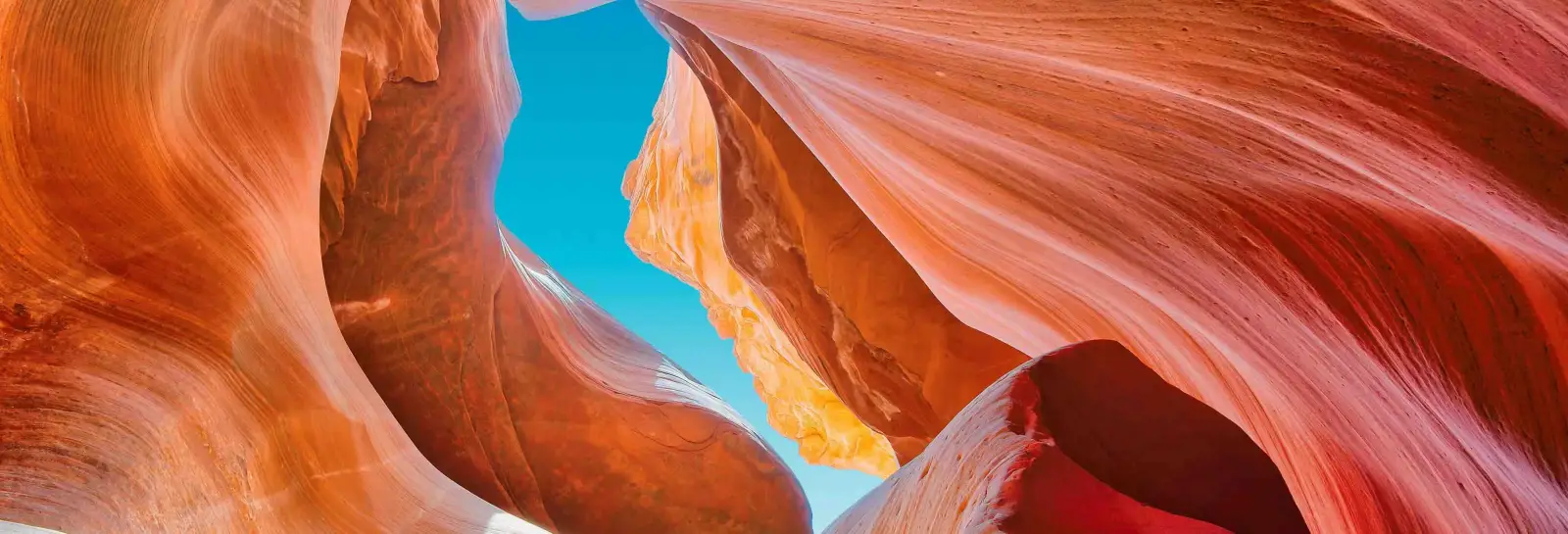
Antelope Canyon FAQ: Tickets, Tours, and Rules
Planning Antelope Canyon can feel confusing because access is guide-only and policies vary by operator. This FAQ gives fast, practical answers on tickets, timing, canyon differences, safety, and what to expect before you arrive in Page, Arizona.
Booking Rules First: Do You Need an Antelope Canyon Tour?
Yes. Antelope Canyon entry is guide-only. Start here for the core booking rules: when to reserve, how early to check in, and what late arrival means before you compare Upper, Lower, and Canyon X.
Do I need to book Antelope Canyon tours in advance?
Yes. All visits are via guided tours, and popular time slots often sell out, especially in peak seasons and on weekends. Booking early gives you the best choice of times.
Can I visit Antelope Canyon without a guide?
No. Antelope Canyon is on Navajo land and requires an authorized guided tour for access. Independent entry is not permitted.
How early should I arrive before my tour?
Plan to arrive early for check-in. Most operators require check-in before departure, and arriving late can mean losing your spot. If you’re unsure, build a larger buffer.
What happens if I’m late?
Late arrivals may be treated as no-shows because tours run on fixed schedules. If you think you’ll be late, contact your operator immediately — but rescheduling may not be possible.
Are tours available year-round?
Tours generally operate year-round, but schedules and availability vary by season. Weather or safety conditions can also affect operations on certain days.
Is there a “best” tour time?
“Best” depends on your priorities. Some visitors want mid-day light conditions, while others prioritize cooler temperatures or fewer crowds earlier in the day.
Upper vs Lower vs Antelope Canyon X (Which One Should I Choose?)
Each canyon section offers a different experience. These quick answers help you decide based on terrain, crowd level, and visitor comfort.
Which canyon is best for first-time visitors?
Many first-time visitors choose Upper Antelope Canyon for its smoother terrain and well-known light conditions. It is often considered the easiest introduction to slot canyon landscapes.
Which canyon has stairs and ladders?
Lower Antelope Canyon includes multiple staircases and narrower passages. It is more active physically and may not suit visitors who prefer level walking.
Which option is usually less crowded?
Crowd levels vary by season and time of day, but Canyon X is often perceived as quieter compared to the more widely known Upper and Lower sections.
Which canyon is easier for children or seniors?
Upper Antelope Canyon generally has fewer stairs and a flatter walking path, making it a common choice for families and visitors seeking a gentler experience.
Are the rock formations very different?
All sections feature Navajo sandstone slot formations. The differences are in corridor width, light exposure, and tour flow rather than completely different geology.
Can I visit more than one canyon section in one day?
It is possible if schedules allow, but most visitors choose one section and combine it with other Page-area attractions instead.
Timing & Duration (How Long Does It Take?)
Most planning problems come from underestimating time. These answers explain how long the experience usually takes and how to build a realistic buffer around your tour.
How long is an Antelope Canyon tour?
Most guided tours last about 60–90 minutes. Total time commitment is longer once you add check-in, staging, and transportation arrangements depending on the operator.
How much time should I block for the whole experience?
A safe planning block is 2–3 hours door-to-door (arrive early, check in, tour, and exit). This reduces stress if lines, traffic, or staging run longer than expected.
Can I visit Antelope Canyon as a half-day trip?
Yes, if you are already staying in Page or nearby. If you are driving from a major city the same day, it becomes a much longer outing and may feel rushed.
What’s the best time of day to visit?
Midday tours are popular for lighting, while morning tours can feel cooler and less tiring. The “best” time depends on your priorities: light, comfort, or schedule flexibility.
Can I combine Antelope Canyon with Horseshoe Bend on the same day?
Yes. Many visitors pair a canyon tour with Horseshoe Bend, especially near sunset. Just avoid scheduling a sit-down meal or long drive too close to tour check-in.
Should I plan a buffer between activities?
Yes. A 60–90 minute buffer around your tour time is the safest approach, especially in peak season. Build your day around the tour first, then add flexible stops.
Location & Getting There (Where Is Antelope Canyon?)
Antelope Canyon is often associated with Arizona, Utah, and the Grand Canyon region. These answers clarify exactly where it is and how visitors typically reach it.
Where is Antelope Canyon located?
Antelope Canyon is located near the town of Page in northern Arizona, close to the Arizona–Utah border. It sits within Navajo Nation land.
Is Antelope Canyon inside a national park?
No. It is not part of a U.S. national park. Access is managed by authorized Navajo tour operators on tribal land.
How far is it from Las Vegas?
Antelope Canyon is several hours by car from Las Vegas. Many visitors either stay overnight in Page or book early morning departures to avoid arriving late.
How far is it from Phoenix?
The drive from Phoenix takes multiple hours. Because of the distance, same-day trips require early departures and careful scheduling.
Is there public transportation to Antelope Canyon?
Public transportation options are limited. Most visitors arrive by car or join organized tours that include transportation.
Where do tours depart from?
Tour departure locations vary by canyon section and operator, typically within or just outside Page. Always confirm the meeting point listed on your booking confirmation.
Accessibility (Kids, Seniors & Mobility Questions)
Slot canyons are natural sandstone formations, not paved walkways. These answers help you assess whether the experience matches your mobility needs.
Is Antelope Canyon suitable for children?
Yes, many families visit. However, children must stay with the group and navigate narrow corridors. Lower Canyon involves more stairs, which may be challenging for very young children.
Is it appropriate for seniors?
Many seniors comfortably visit, especially in Upper Canyon, which generally has fewer stairs. Lower Canyon includes ladders and steeper sections that require more balance and mobility.
Are there stairs or ladders?
Yes in Lower Antelope Canyon, where multiple staircases are part of the route. Upper Canyon is typically flatter with less vertical climbing.
Is the canyon wheelchair accessible?
Due to uneven terrain, narrow passages, and stairs, Antelope Canyon is generally not wheelchair accessible. Visitors with mobility concerns should confirm details with operators directly.
Can I bring a stroller?
Strollers are not practical inside the canyon due to sand, steps, and tight spaces. Child carriers are typically a better option.
Is the walk physically demanding?
The tour is moderate for most visitors. Expect uneven sandy surfaces, some tight areas, and guided group pacing. Comfortable shoes are recommended.
Weather & Safety (Rain, Flash Floods & Closures)
Slot canyons are shaped by water — which means weather conditions matter. These answers explain how rain, heat, and seasonal factors affect tours.
Can tours be cancelled due to weather?
Yes. Heavy rain or flash flood risk can result in tour delays or cancellations for safety reasons. Operators prioritize visitor safety when conditions are uncertain.
What is flash flood risk?
Flash floods occur when rainwater rapidly flows through narrow canyon corridors. Even storms miles away can create unsafe conditions, which is why monitoring is strict.
Is Antelope Canyon open year-round?
Tours generally operate year-round, but weather events or safety concerns may temporarily affect schedules.
Is it very hot inside the canyon?
Summer temperatures in Page can be high. While canyon walls provide some shade, conditions can still feel warm. Hydration is essential during hotter months.
Is winter a good time to visit?
Winter typically brings cooler temperatures and fewer crowds. Light conditions differ from summer, but tours still operate in most cases.
What happens if my tour is cancelled?
If a cancellation occurs due to weather or safety, operators typically provide options such as rescheduling or refunds according to their policies.
Photography Rules (Cameras, Tripods & Bags)
Antelope Canyon is one of the most photographed slot canyons in the world. However, equipment rules and tour policies vary. Always confirm details with your operator.
Is photography allowed?
Yes, photography is generally allowed on standard tours. However, specific restrictions may apply depending on the operator and the type of tour you book.
Can I bring a tripod?
Tripod policies vary by tour type and season. Many standard tours restrict tripods to maintain group flow and safety. Always review equipment rules before booking.
Are professional cameras permitted?
DSLR and mirrorless cameras are typically allowed, but large setups may be limited depending on space constraints inside narrow canyon sections.
Can I bring a backpack?
Many operators restrict large bags to improve safety and ease movement through tight corridors. Smaller personal items are usually preferred.
Is phone photography allowed?
Yes. Smartphones are widely used for photography inside the canyon. Be mindful of group flow and follow guide instructions.
Are there special photography tours?
Some operators may offer specialized tours with different equipment policies. Availability varies by season and demand.
What to Bring & What Not to Bring
Antelope Canyon tours take place in narrow sandstone corridors with sand underfoot. Packing light and practical makes the experience smoother.
What should I wear?
Comfortable walking shoes with good grip are recommended. Closed-toe footwear works best on sandy and uneven surfaces.
Should I bring water?
Yes, especially during warmer months. Staying hydrated is important in the desert climate.
Do I need sunscreen?
Yes. Even though canyon walls provide shade inside, you may be exposed to direct sun before and after your tour.
Are large bags allowed?
Large backpacks are often restricted due to narrow passageways. Bring only essential items in a small, easy-to-carry format.
Can I bring a drone?
Drones are not permitted inside Antelope Canyon due to safety and land management regulations.
Should I bring heavy photography equipment?
Large equipment may slow group movement and may be restricted. Confirm equipment rules with your specific tour operator before arrival.
Tickets, Refunds & Changes
Policies vary by operator, but these answers cover the most common ticket-related questions. Always review the terms shown at checkout for your specific tour.
Are tickets refundable?
Refund policies depend on the operator and booking conditions. Many tours offer refunds or changes within specific time windows prior to departure.
Can I change my tour date?
Date changes may be possible if requested in advance and if availability allows. Last-minute changes are often limited.
What happens if weather cancels my tour?
If a cancellation occurs due to safety concerns such as severe weather, operators typically provide options such as rescheduling or refunds.
Are tickets transferable?
Transfer policies vary. Some bookings allow name changes, while others require the original purchaser to attend. Check your confirmation details carefully.
Do children need separate tickets?
Most tours require tickets for all participants, including children. Age categories and pricing depend on the specific operator.
Can I buy tickets on the same day?
Same-day availability may exist during quieter periods, but popular time slots frequently sell out. Booking ahead is strongly recommended.
Choose Your Antelope Canyon Tour
Once your main questions are answered, the next step is selecting the canyon section and tour time that best fits your schedule.
Upper Antelope Canyon
Popular for smoother walking paths and well-known light conditions. Often chosen by first-time visitors.
Lower Antelope Canyon
Features staircases and narrower corridors, offering a more physically active experience.
Antelope Canyon X
Often considered quieter with dramatic formations and flexible availability.